A Dayenu Seder
I began 2026 with the loftiest of intentions. Run a half marathon! Declutter my home to prepare for an upcoming move! Visit my extended family members! Establish morning and evening stretching routines! Write the first 45,000 words of my novel!
As the Yiddish proverb goes, der mentsch trakht un got lakht—man plans and God laughs.
I live in the Minneapolis-St. Paul metro area, which became the focus of the Trump administration's Operation Metro Surge immigration enforcement action in December 2025. The federal presence increased dramatically to over 3,000 agents in January 2026, and several hundred still remain as I'm writing this in April 2026. Nearly four thousand immigrants—the vast majority of whom had no criminal record and some who had legal status as refugees—have been arrested during Operation Metro Surge, as well as U.S. citizens. I watched masked ICE agents armed with semi-automatic rifles pulling over a car on a suburban highway; it looked like something from a news report about paramilitary forces in a failed state. Renee Good and Alex Pretti were murdered by federal agents in neighborhoods that I frequent. My husband was physically assaulted by CBP agents while peacefully protesting (thankfully he's okay). I covered the economic and cultural devastation for the Heavy Table, but the psychological impact is harder to quantify. Immigrants and communities of color have been impacted the most, but it has been a terrifying, emotionally destabilizing time for many, including myself.
Just as things began to feel a little more hopeful in my local community (thanks in large part to the actions of everyday Minnesotans), the U.S. and Israel attacked Iran and Israel invaded Lebanon. The civilian death toll is in the thousands, the destructive economic effects are rippling across the globe, and there is no end in sight. As a fairly anxious person in the best of times, I can count on one hand how many decent nights of sleep I've gotten this year. I am exhausted physically, mentally, emotionally, and spiritually.
Hosting the Passover seder of my dreams—with extended family, multiple varieties of haroset, a carefully compiled Haggadah, vegan jackfruit brisket, and a flourless chocolate cake—was simply not in the cards this year. Initially, I was going to show up to my synagogue's Shabbat community seder with a batch of matzah toffee and call it a day. But shortly before the holiday began, I had second thoughts. Maybe I could find the capacity to host a seder after all. Maybe celebrating Passover would be the spiritual energy boost I needed.
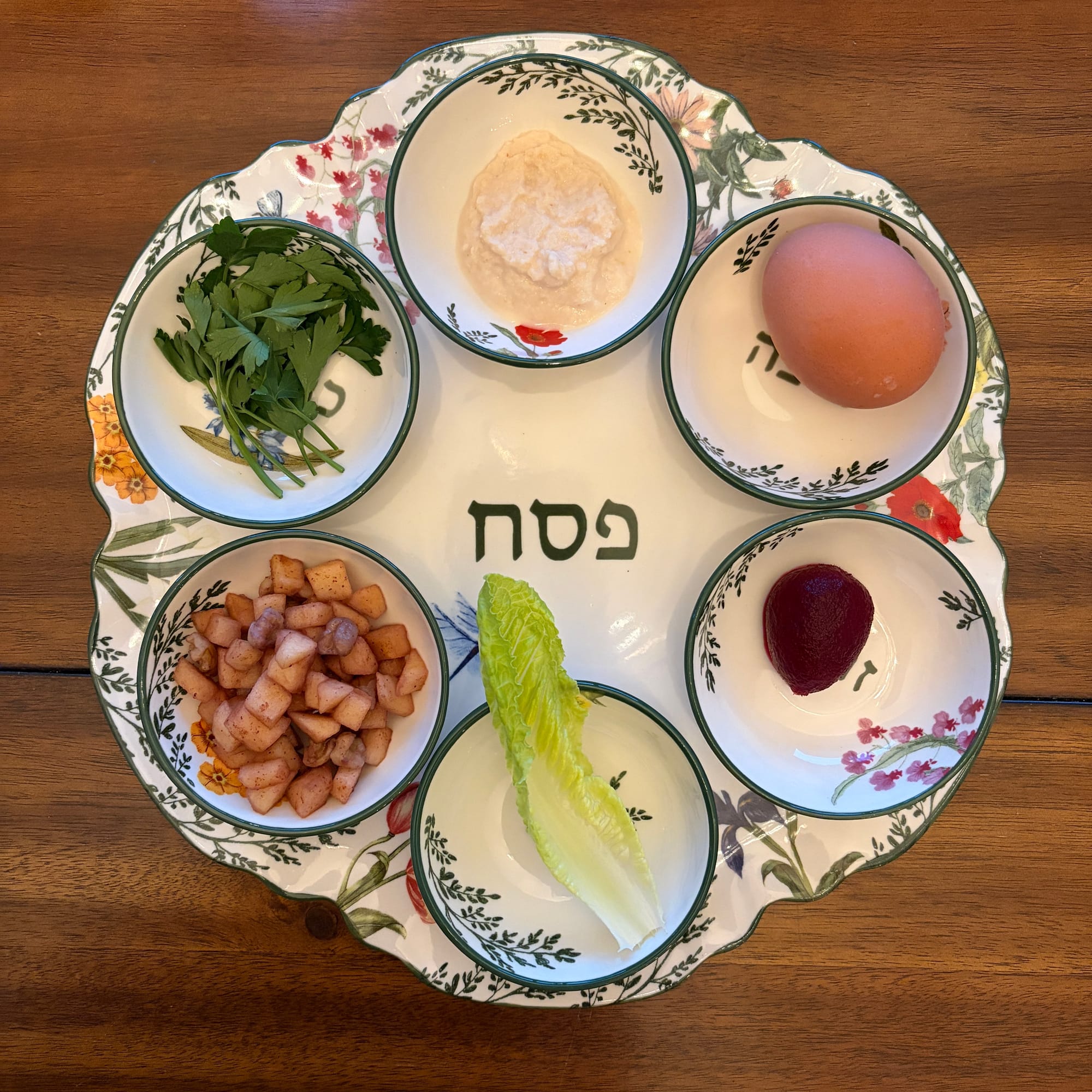
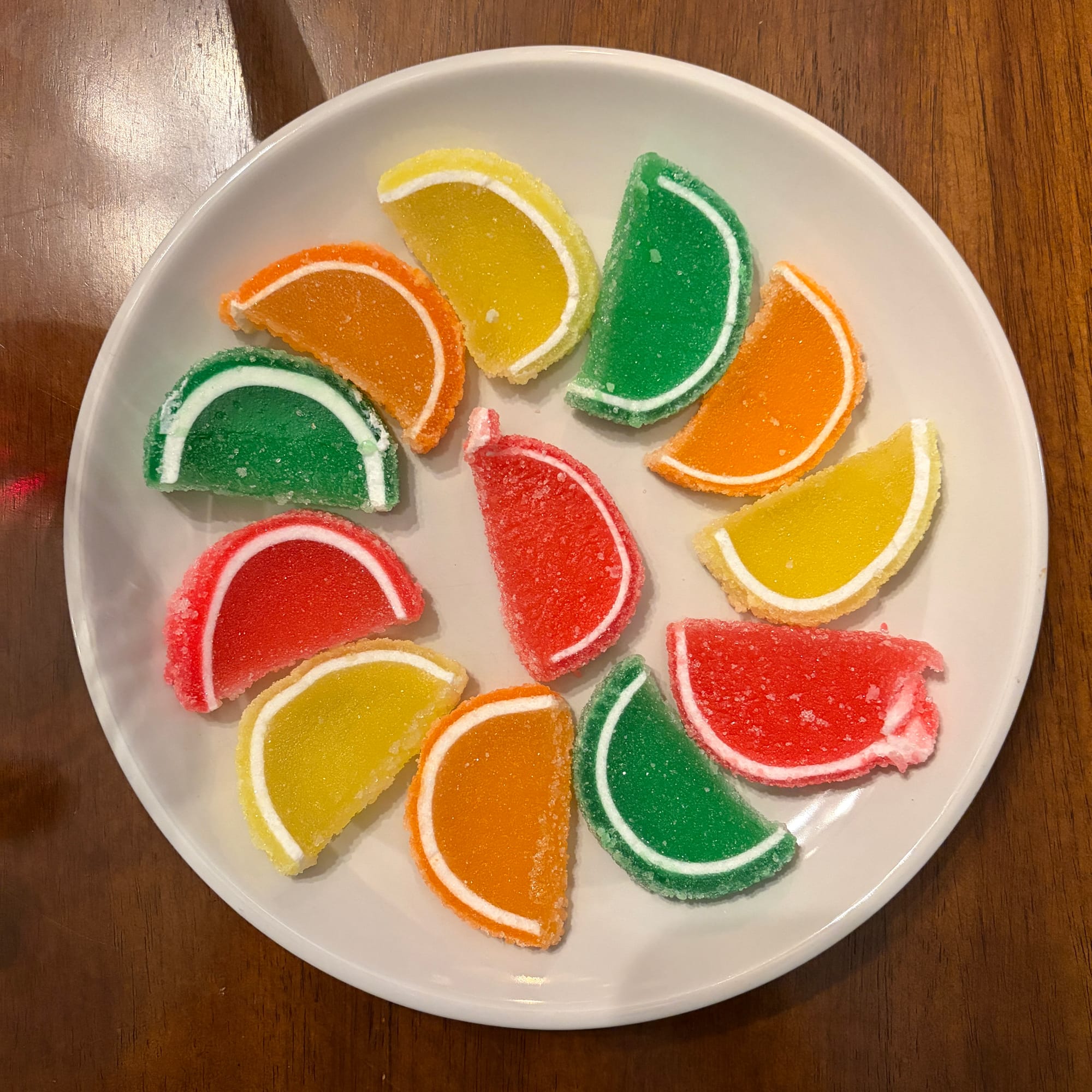
My first night seder was a stripped-down version of my ideal. The only "guests" were my husband and my partner. We used a heavily abridged version of the Velveteen Rabbi's Haggadah that I copy-pasted. I made only one kind of haroset, and I bought prepared horseradish from the condiment aisle. I did make a homemade potato kugel, but I paired it with a bagged salad kit. For dessert, I served candy fruit slices.
Passover is not typically a holiday I find emotionally resonant—as a Jew-by-choice, I am not a lineal descendant of the Jews of Exodus, and I don't have a Jewish family to celebrate with. But this year, the narrative and symbolism felt deeply poignant. A selfish ruler who let his people suffer rather than recognize the rights of the oppressed. A wandering prophet who will return in the guise of the marginalized. Another prophet who became an advocate for justice, although he was beset with self-doubt. The plagues and hardships that beset the innocent masses.
One of the songs traditionally sung during a Passover seder is "Dayenu", which translates from Hebrew to "it would have been enough" or "it would have been sufficient." The song lists the kindnesses God performed for the Jewish people during and after the Exodus—bringing us out of Egypt, splitting the Red Sea, giving us manna in the desert—with "dayenu" at the end of each verse.
A traditional reading of "Dayenu" is that it is a song of deep gratitude, reflecting on how thankful we are for the kindnesses God performed for our people. To me, especially this year, it also serves as a reminder that in God's eyes, we are enough. There will always be more that we can do, but what we are able to do at any given moment is sufficient. There will be some years when we host a seder with exquisite homemade food, creative rituals, and a custom Haggadah. There will be other years when we don't have the capacity to host or attend a seder at all. There will be many, many years that fall somewhere in between, with bland, undercooked potato kugel and imperfect Hebrew read phonetically. Dayenu.
Whatever this Passover looks like for you, may it be rich in meaning and connection. May we honor the stories of our ancestors by working for the liberation of all.
As is written in the Pirkei Avot, "It is not incumbent upon us to finish the task, but neither may we refrain from beginning it."