The 39-year-old bat mitzvah girl
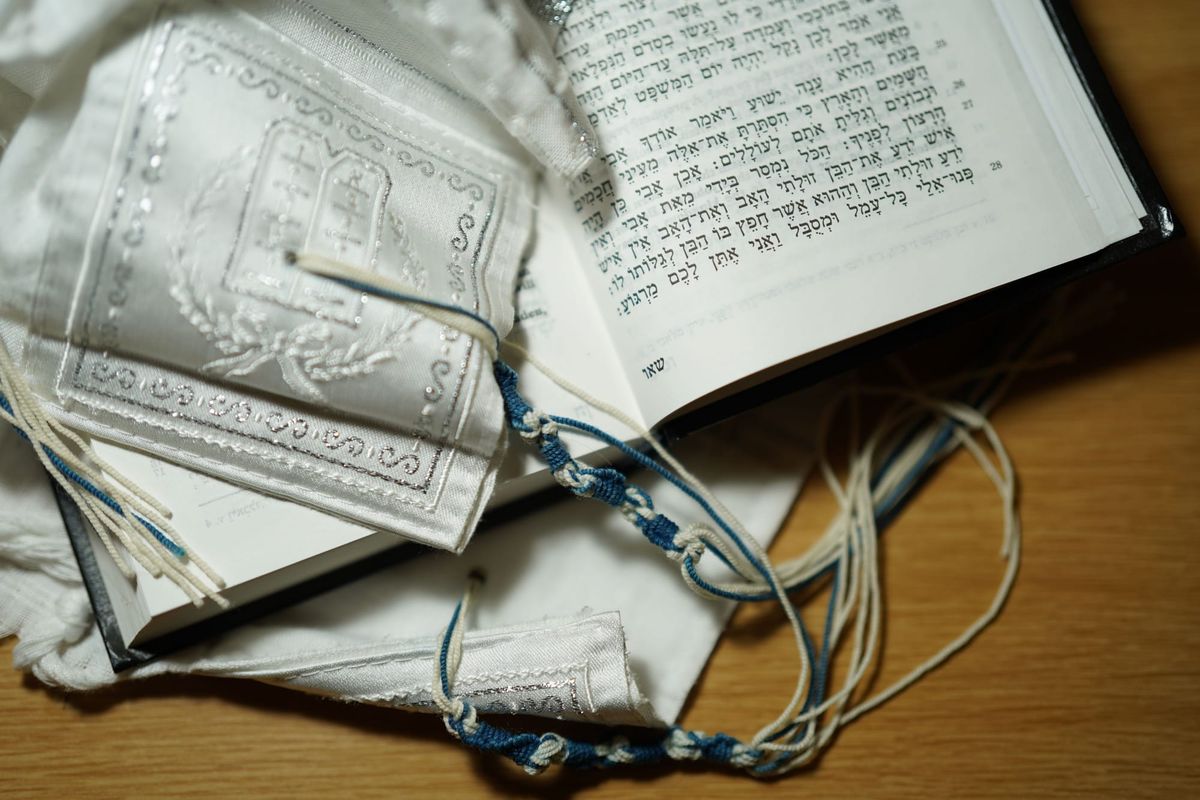
I recently scheduled my adult bat mitzvah ceremony for October 24, when I'll be 39 years old, or three times 13—and yes, that was very intentional.
Jewish people become bar/bat/b mitzvah at age 13 (or 12 for girls in Orthodox Judaism), which simply means that one is considered an adult for ritual purposes. You count towards a minyan (the quorum of 10 Jewish adults required for certain prayers), and you are obligated to observe the commandments. ("Bar mitzvah" means "son of the commandments," "bat mitzvah" means "daughter of the commandments," and "b" is the gender-neutral option.) Although someone's bar/bat/b mitzvah is typically marked by a synagogue service and party, none of that is necessary from a religious standpoint. Unlike Christian confirmation, where the ritual itself confers a particular status, you simply become b mitzvah when you turn 13 (or 12). It's like how you become a legal adult on your 18th birthday—no further steps or fanfare required.
That's why the phrase "adult b mitzvah" is something of an oxymoron. If you're an adult—i.e., you're 18 or older—you're already b mitzvah and there's no need to make a thing about it. Nevertheless, adult b mitzvahs have become increasingly popular for a variety of reasons. Bat mitzvah ceremonies are a relatively modern tradition, only becoming widespread in the 1970s, so some women want to celebrate the ritual that was denied to them when they were younger. In addition, elderly Holocaust survivors have marked the milestone that was stolen from them by the Nazis.
For others, the reason to have a adult b mitzvah is more linked to personal circumstances. Some people grew up too far from a synagogue to be able to prepare for a b mitzvah. Some had parents who weren't observant, or they themselves simply were not interested. Some, like me, missed out on a b mitzvah because they converted to Judaism as an adult.
I signed up for my synagogue's adult b mitzvah cohort in late 2024 without much thought—it was simply an opportunity to learn more about Judaism. But over the past year and half, as I read, discussed, reflected, and researched, my adult bat mitzvah has became more meaningful.
In Judaism, there are only a handful of lifecycle events: brit milah/bris or brit bat for infants; bar/bat/b mitzvah at age 12 or 13; weddings; and funerals. As a happily-married 30-something, it seemed kind of depressing that the only Jewish lifecycle event relevant to me was a funeral, which I wouldn't even be around for. Having an adult bat mitzvah is an opportunity to celebrate my Jewishness in a formal, ritualized way, with my friends, family, and synagogue community. For someone who still struggles with feeling like imposter in Jewish spaces, that's a powerful thing.
I've also come to see the value of a coming-of-age ceremony that falls later in life. It's somewhat strange that we mark the transition from childhood to adulthood and then act as though people remain static until their death. Being 39 feels like just as much of a turning point as becoming a teenager did. Honestly, it feels more momentous, because each passing year is weightier. At age 13 and well into my early thirties, I knew that life was finite but it still seemed like the possibilities were infinite, like fun house mirrors reflecting innumerable versions of myself. Once my mid-thirties rolled around, it became clear that no, I was not going to go to law school. I was not going to land a staff job at a newspaper. I would never travel to all the places I saw on Instagram. It was time to start checking things off my bucket list instead of continually adding to it. It's probably not a coincidence that I started seriously exploring Judaism in my mid-thirties—I had been drawn to it since childhood and maybe it subliminally clicked that it was time to actually do something about it.
The self-awareness of middle age is just as worth marking as the newfound maturity of adolescence, and in a way, it's even more meaningful. The Torah is richer when you can appreciate it in shades of gray instead of black and white. A couple extra decades gives you a deeper understanding of the Jewish experience and your place within it. You know more about life and the world, but you also realize how very much you don't know.
I scheduled my bat mitzvah ceremony based on the availability of my rabbi and my venue, but the Torah portion that I will read and comment on feels especially appropriate for an adult bat mitzvah. The Lech Lecha ("Go Forth," Genesis 12:1-17:27) recounts Abram and Sarai's journey to Egypt and back, the messiness of their marriage, and their acceptance of Judaism. Their identities weren't fixed at age 12 or 13; in fact, they take new names, Abraham and Sarah, quite late in life. An adult b mitzvah may be a new concept, but it is getting at something that has been present in our tradition since the very beginning. We are continuously coming of age, finding deeper wisdom within ourselves and perhaps also from something far greater.